
Racial trauma—the emotional, mental, and physical injury caused by exposure to racial prejudice, discrimination, microaggressions, and systemic violence—is a distinct form of psychological distress. Unlike acute trauma resulting from isolated incidents, racial trauma is insidious, cumulative, and continuous.
Popular self-care narratives often reduce wellness to consumerist individual practices (such as bubble baths or luxury retreats). For individuals experiencing racial trauma, self-care must be reframed as an intentional, political, and clinical act of self-preservation and community healing. This paper outlines the clinical anatomy of racial trauma and presents a dedicated STAR case study.
1. The Clinical Anatomy of Racial Trauma
Racial trauma operates through both acute events (hate incidents, workplace discrimination) and chronic micro-traumas (subtle exclusion, daily stereotyping):
A. Insidious Stress Activation
Dr. Maria Root defined insidious trauma as the ongoing, subconscious stress caused by living in an environment where one's social identity is devalued. The psychological manifestations include:
- Hyper-Vigilance: Constantly scanning environments for potential racial hostility or bias.
- Racial Fatigue: Executive exhaustion resulting from continuous code-switching and emotional regulation in hostile spaces.
- Internalized Deprecation: Subconsciously internalizing societal biases, leading to imposter syndrome and self-doubt.
2. The Four Pillars of Radical Self-Care & Recovery
┌─────────────────────────────────────────────────────────────┐
│                 RADICAL SELF-CARE ARCHITECTURE               │
└──────────────────────────────┬──────────────────────────────┘
                               │
   ┌───────────────────────────┼───────────────────────────┐
   │                           │                           │
▼  ▼                           ▼                           ▼
Somatic Release            Media Hygiene &            Collective Connection
(Discharging Tension)      Boundaries (Digital Detox) (Safe Affinity Spaces)
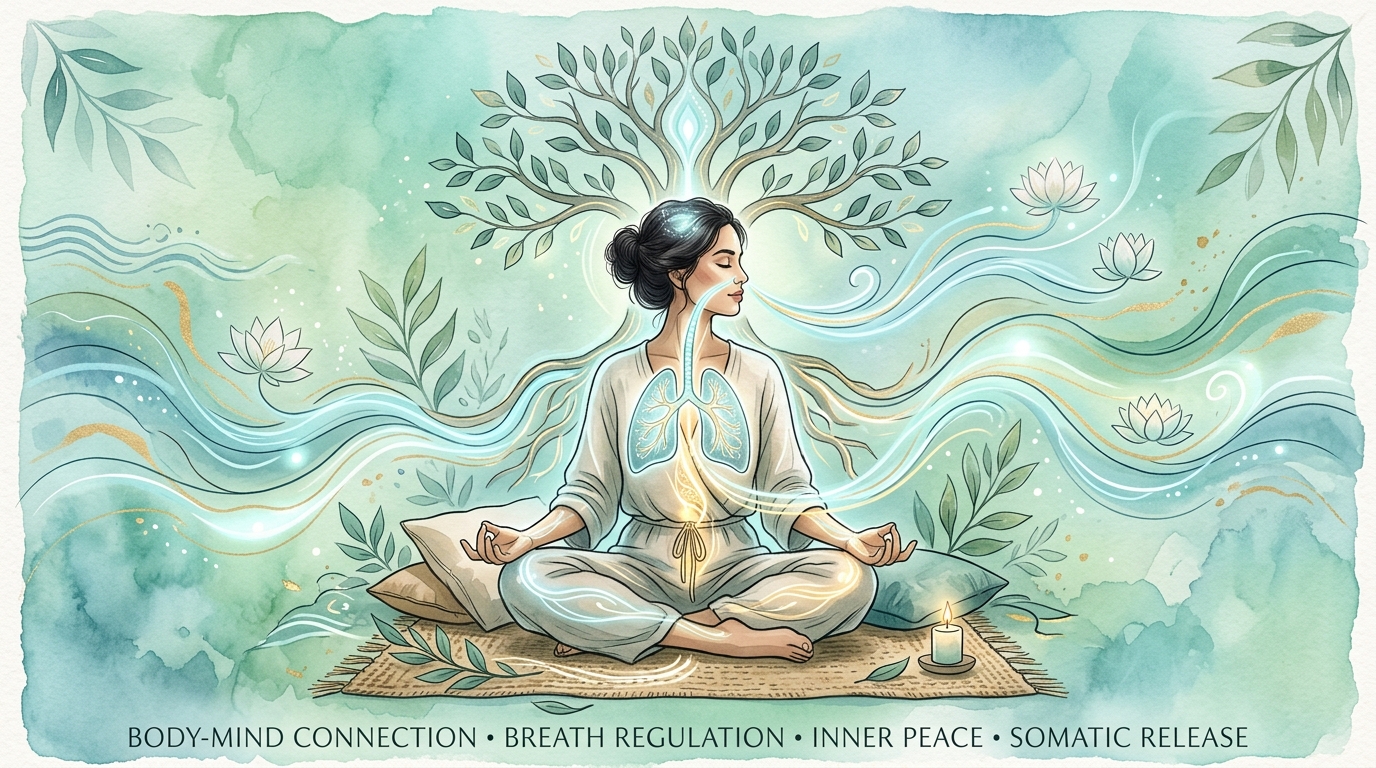
- Somatic Discharge: Utilizing physical movement, breathwork, and bodywork to release trapped fight-or-flight energy.
- Boundary Enforcement & Media Hygiene: Intentionally limiting exposure to traumatic news cycles and social media viral videos of racial violence.
- Affinity Space Connection: Engaging in spaces where one's identity is celebrated and where emotional masking is unnecessary.
- Narrative Reclamation: Writing, art, or speaking that allows individuals to define their own stories outside of oppressive frames.
3. STAR Framework Analysis & Case Index
Case Study: Group Recovery & Somatic Regulation for Racial Fatigue
- Situation: A community support network of Black and South Asian healthcare workers in Merseyside reported high rates of compassion fatigue, anxiety, and physical burnout following sustained racial tension and high-stress workplace environments.
- Task: Salowal was engaged to deliver a 6-week Group Somatic & Psychoeducational Recovery Program to restore nervous system balance and foster collective resilience.
- Action:
- Affinity Container Creation: Established confidential, closed group sessions to ensure absolute psychological safety.
- Somatic Regulation Modules: Taught collective breathwork, grounding, and tremoring exercises to release accumulated workplace tension.
- Workplace Boundary Coaching: Guided participants in developing group boundary protocols for setting limits on uncompensated EDI labor.
- Result:
- Wellbeing Improvement: 92% of participants reported a significant reduction in physical exhaustion and tension headaches.
- Burnout Mitigation: Group burnout inventory scores improved by 48% across the 6-week period.
- Community Network: Formed an ongoing peer-led monthly sanctuary group to maintain long-term support.
4. Operational Guidance for Clinical Practice
Practitioners working with clients experiencing racial trauma should:
- Validate racial stress as a legitimate, real-world injury rather than pathologising the client's reaction.
- Integrate somatic body-awareness alongside cognitive processing.
- Encourage connection to collective support systems and cultural community assets.
Salowal provides culturally sensitive therapy and community wellbeing workshops across the UK. Book a clinical consultation.